
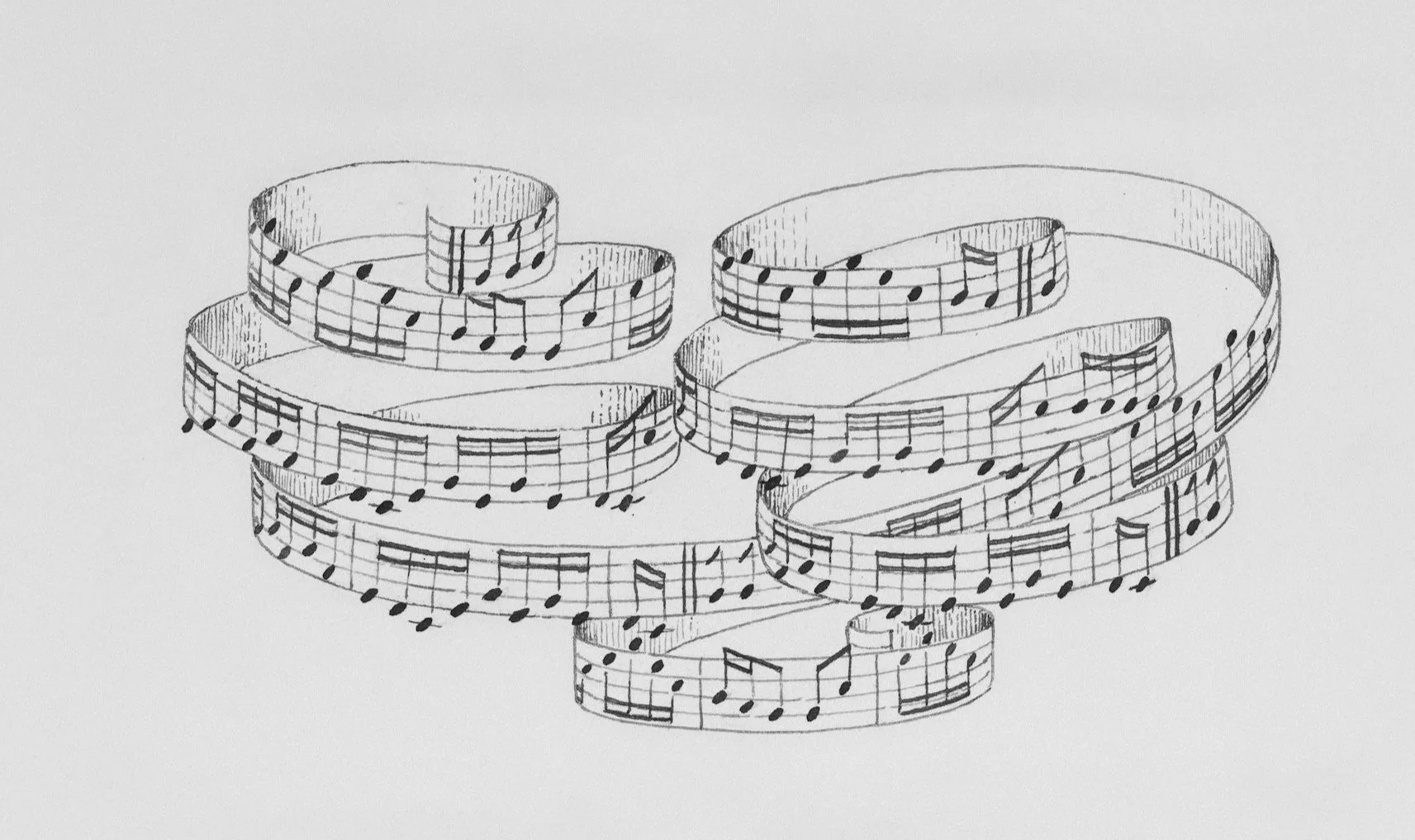
Image by @birminghammuseumstrust from Unsplash
There is something quietly unsettling about things left incomplete. We like the full picture. We like to know how the story ends. A cliffhanger at the end of a series finale gets under the skin in a way that is difficult to explain rationally but impossible to deny. The mind wants resolution. It reaches for it.
And yet.
Franz Schubert wrote two movements of what would become one of the most performed symphonies in the classical repertoire, set it aside, and never returned to it. No one knows exactly why. The theories are many, the explanations unconvincing, the mystery intact. His Symphony No. 8 in B minor sits in the canon simply as the Unfinished Symphony, and it has done so for over two centuries.
Were Schubert alive today, I believe that the response might look quite different. An artist who hands over half a work and calls it done risks being labelled careless, uncommitted, a disappointment to whoever was waiting. We live in an era that rewards completion, that measures output, that has little patience for the half-finished thing sitting quietly on the shelf.
But Schubert lived in a different moment, one where the birth of a masterpiece was understood to be its own kind of unpredictable process, where there was grace extended to the work and to the person behind it. And because of that grace, what he left behind was not dismissed. It was kept. It was performed. It became, in its incompleteness, something people still gather to hear.
There is something worth sitting with there.
We each carry unfinished things. Projects set aside because life intervened. Conversations never quite concluded. Goals that began with genuine intention and then, somewhere along the way, stalled. Some of those things deserve to be returned to. Others may have simply reached a natural pause that we have been calling failure.
And for others still, perhaps the grace we extend to Schubert is the same grace we have not yet thought to offer ourselves or the people around us.
We will never know what stopped him. But we do know what he left. And what he left has been listened to by millions of people who were moved by it, who were changed by it, who did not require it to be complete in order to find it beautiful.
The question is not only what remains unfinished in your life. The question is whether you are able to look honestly at what has already been done, at the two movements that exist, the work that is real and present, and find that it carries more weight than you have been giving it credit for.
Incompleteness is not always abandonment. Sometimes it is simply a piece of a story that is still being written.
What is the unfinished thing in your life that deserves a second, kinder look?
On the grace of incomplete things.
Take a moment this week to look at something you have left unfinished without the lens of guilt. What is already there? What has already been built, even if the final movement never came?
Share this with someone who has been hard on themselves about something they have not yet completed.
