
The Tree isn't Dying — It's Deciding
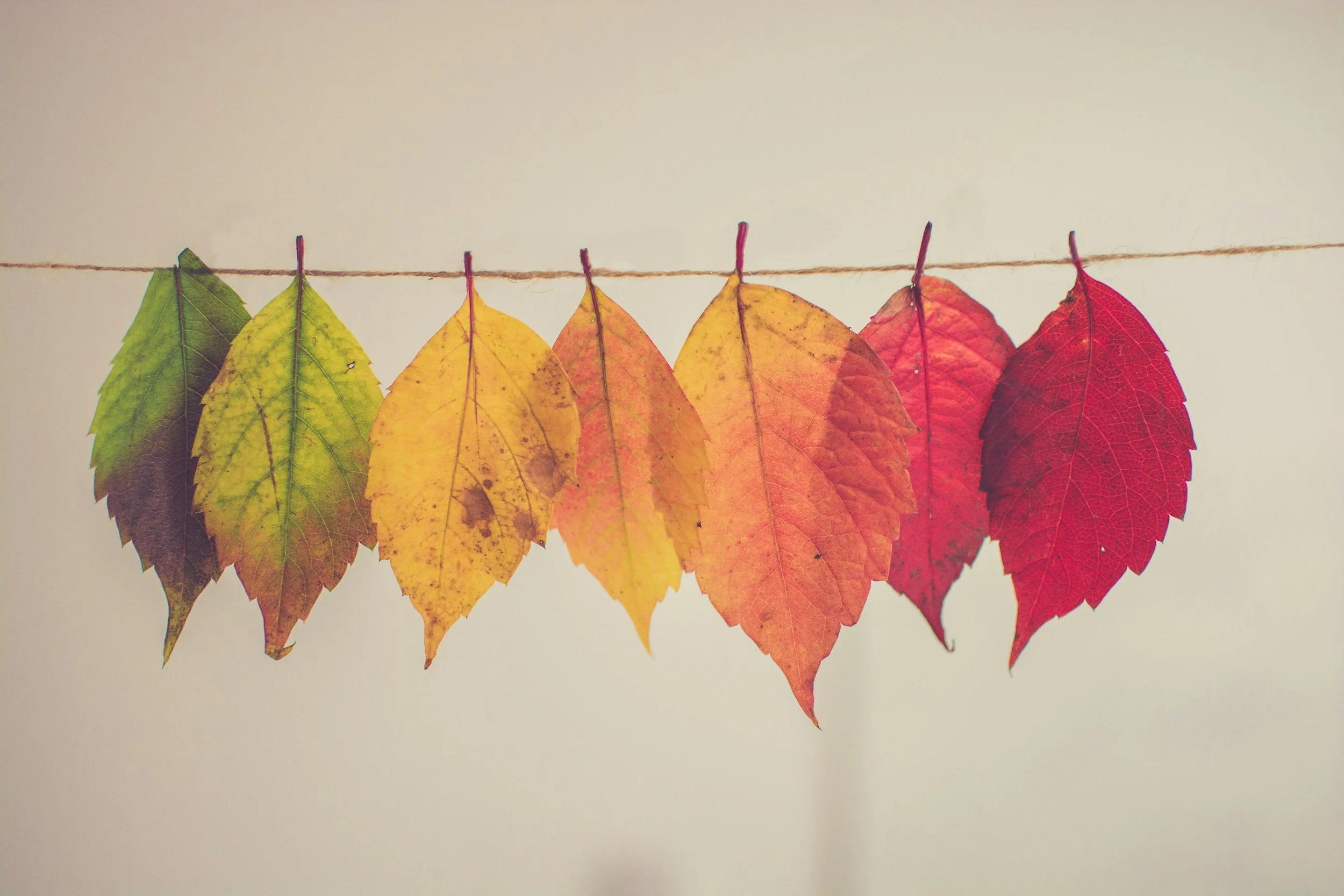
Image by @chrislawton from Unsplash
Autumn as an act of intention, not loss. What are you choosing to release?
If you asked me to pick a favourite season, I'd struggle. I still catch myself humming "winter, spring, summer, autumn" under my breath just to get the order right — some things from childhood never quite leave us.
As a child, winter was my favourite, mostly in my imagination: snow, stillness, the cold as something magical rather than something to survive. Now that I've actually lived through a few, I find myself craving warmth long before winter ends. Washing dishes in cold water and hanging laundry outside in the chill has cured me of any romantic notions. And yet there's still something in winter's quiet that I haven't outgrown — the way a hot drink in cold hands feels like a small mercy. Winter asks us to rest, to go quiet, to trust that stillness is doing something even when it looks like nothing.
Spring, by contrast, is relief. Everything that went quiet begins to stir again. It's less a season than a permission slip — to come back out, to try again, to begin.
Summer is the reason we survive winter in the first place. It's ripeness, energy, the version of ourselves that's fully awake. It's also, conveniently, an excuse for ice cream on a near-daily basis.
Then comes autumn — the season I've come to think about the most, because it's the one we tend to misread. The leaves turn crimson, rust, gold, and then brown, and eventually they fall, leaving the tree looking almost bare. It's tempting to read that as decline. But the tree isn't dying. It's deciding. It's choosing, quite deliberately, what it can no longer afford to carry into winter.
Depending on where you are in the world, autumn tends to fall in the last quarter of the year — which is its own kind of nudge, a reminder that the year is closing in. It's a season built for gratitude, for pruning, for bracing ourselves gently for what's ahead. Not everything the tree grew in spring and summer was meant to last. Some of it served its purpose and can now be let go, so that what remains has a better chance of surviving the cold.
I think of Vivaldi's Four Seasons here — written three hundred years ago, and somehow he understood this better than most modern calendars do. His "Autumn" concerto opens almost jubilant, a peasant's dance to celebrate the harvest, full and satisfied. But listen a little longer and it shifts — the mood cools, a hunt begins, and by the final movement the piece has slowed into something closer to sleep. In under ten minutes, Vivaldi moves from celebration to release to stillness. That's autumn in miniature. Harvest what was good. Let the rest go. Prepare to rest.
We're now in the last quarter of the year. Before you rush toward the next one, it might be worth pausing here — in the part of the year that looks like it's ending, but is actually deciding.
Here’s a thought:
What have you harvested this year that you're genuinely grateful for?
What are you still holding onto that has already served its purpose?
If the tree can trust that letting go now means surviving winter later, what would it look like for you to trust the same?
