
Stars Only Appear When it Gets Dark Enough
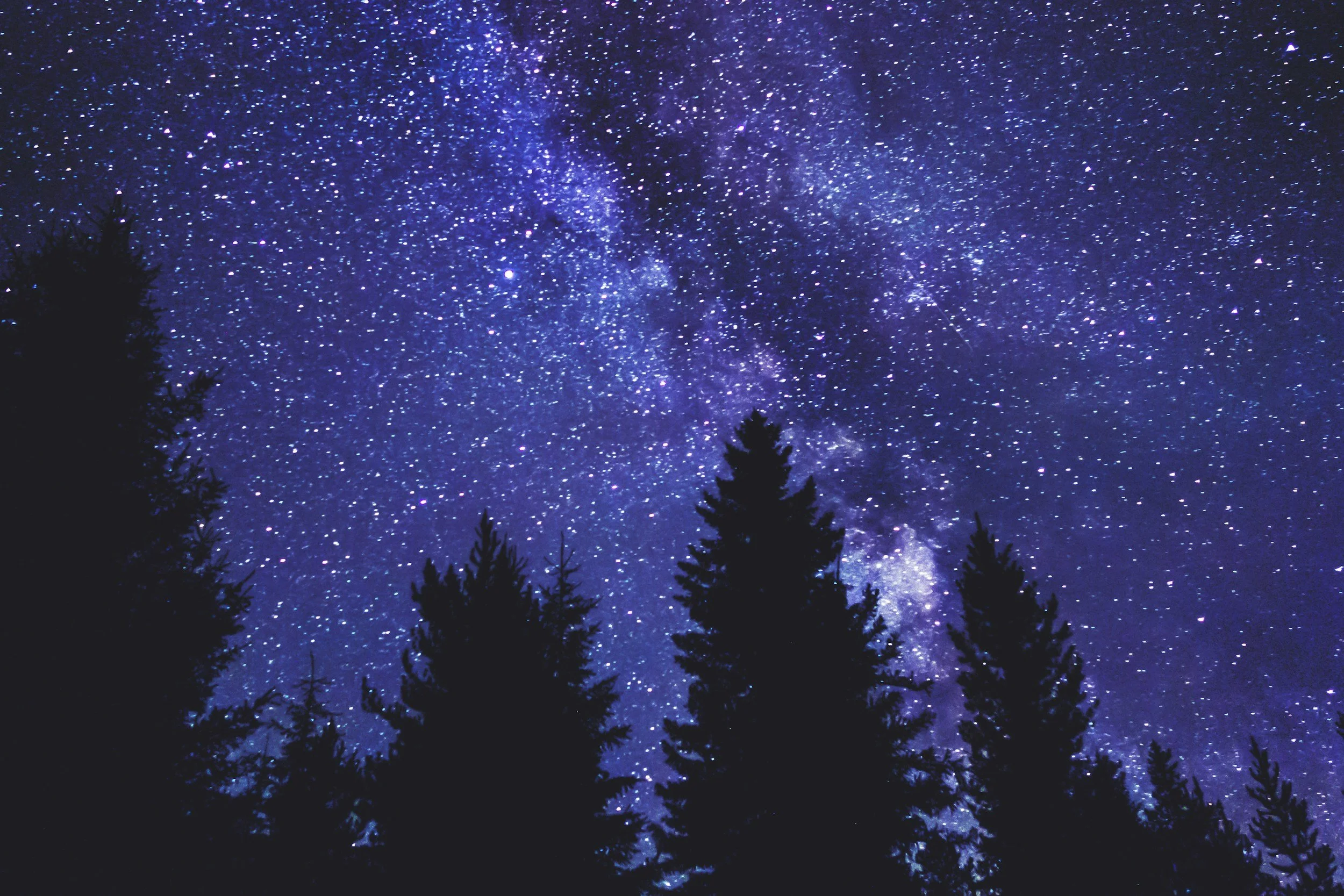
Image by @joshuaworoniecki from Unsplash
Some things can only be seen from inside difficulty. Look up.
Living in a city well known for its light pollution, I rarely get the chance to glimpse the stars, let alone the Milky Way.
My closest encounter came in Kalimantan, Indonesia, doing community work in a village up in the mountains. One night, a few of us decided to venture out and try our hand at stargazing. Without a trace of light pollution, the sky opened up completely. It was magnificent. No camera I owned then could have captured it. Only my eyes could hold what the sky was offering — and even now, I find myself trying to describe a moment that was never meant to be kept, only witnessed.
Here is the thing I keep circling back to: stars do not appear at night. They are there in the daytime too. It is the sunlight that hides them, scattering across the sky until it drowns out anything fainter than itself. The stars are not switched on by darkness. They are simply, finally, visible in it.
I like to picture light this way — the moon, the stars, any small brightness — as a glimmer of hope. In our darkest, most uncertain seasons, the noise of ordinary life quietens. And it is often only then that we notice the light that was there all along, waiting to be seen once everything else stopped competing for our attention.
There is a reason sailors trusted the stars long before compasses existed. Polaris, the North Star, sits almost directly above the North Pole, which means it barely appears to move through the night while everything else wheels around it. For centuries, sailors in the Northern Hemisphere located it by tracing the Big Dipper, treating it as a compass to true north. South of the equator, where Polaris cannot be seen, sailors instead relied on the Southern Cross, which points toward the south celestial pole. Phoenician traders and Viking sailors alike are recorded as having navigated entire seas this way, using the stars not only to find direction but to time their voyages by season.
None of that was possible in daylight. It only worked because the sky had gone dark enough to let the fixed points show themselves.
That is worth sitting with. The very thing that made navigation possible — darkness — is the thing we spend most of our lives trying to avoid. But a sailor without night would have no way to find true north. And perhaps some of what steadies us only becomes visible once the ordinary light has gone.
Next time the room gets dim, or the season feels hard, resist the urge to reach straight for the light switch. Look up first. Something fixed might be waiting to be found.
