
The Smile That Lasted For Centuries
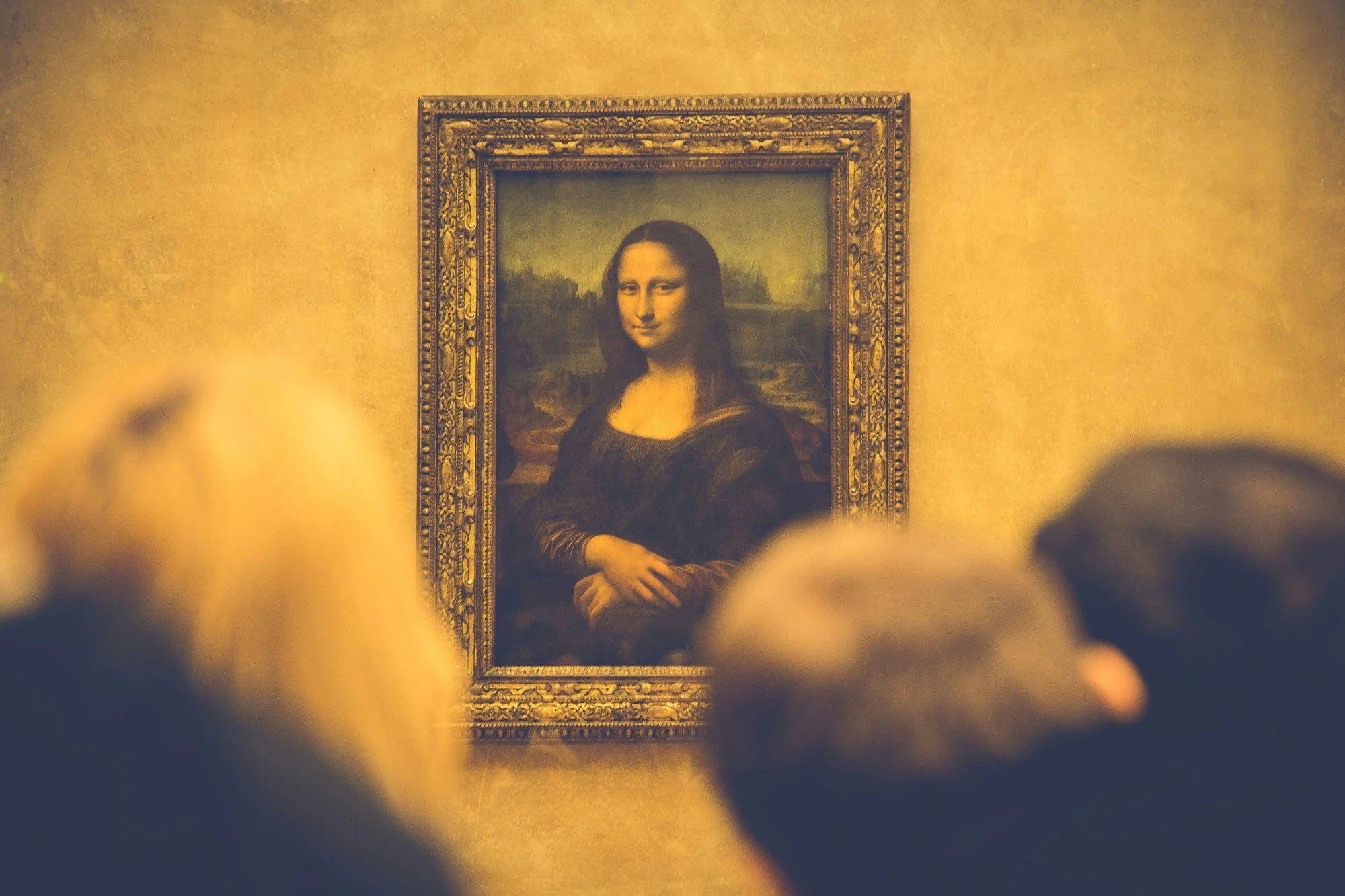
Image by @eterrade from Unsplash
There are stories, films, academic debates, and more than a few conspiracy theories surrounding the most studied painting in the world. Those with a trained eye for art can speak at length about why it holds the value it does, why it endures, what the technique reveals. You can read the full story of the painting [here].
But what strikes me, every time, is the smile.
There is something solemn and quietly intriguing about it. Some people feel it immediately. Others stand before it and feel very little. I do not think that debate needs resolving here.
What I find myself thinking about is this: she almost certainly did not know.
She did not know that this would last. That this moment, whatever it was, whoever she was, would be looked at and studied and argued over for more than five hundred years. That her face would be printed on mugs and tote bags, satirised in films, and quietly watched by millions of strangers who would never know her name with any certainty.
She simply sat there. And whatever was happening behind that expression, she endured the sitting.
I think about old photographs. I have looked back at pictures of myself and cringed at the choices I apparently made. The hair. The fashion. The expression I pulled without thinking. There are photos I would happily erase from existence. But which one would I want to carry forward? If there were a single image of me that might outlast me, which story would I want it to tell?
I think that is why, at funerals and memorial services, the photograph chosen is never a random one. It is the version of a person that those left behind want to carry forward. People remember what you did. What you endured. How you made them feel. And sometimes, a single image holds all of that without saying a word.
There is a kind of courage in endurance that does not announce itself. It does not make speeches. It does not ask to be noticed. It simply persists, quietly, through the watching, through the years, through the questions that do not always have clean answers.
Not long ago, I lost my grandmother. When I look at photographs of her now, I am not thinking about her age or her fashion or the decade captured in the frame. I am thinking about who she was and what she built and what she passed on. Her legacy is not in the photograph. It is in the people the photograph reminds me of.
What would you like to be remembered for? Not tomorrow, but across time. What is the thing you are building, quietly and steadily, that might outlast the moment?
The Mona Lisa is not famous because she was extraordinary in an obvious way. She is remembered because someone took the time to look closely. And because, for five centuries, she has rewarded everyone who stayed longer than they planned.
